Tilt Estimation for Cell Tower Antennas
Artificial Intelligence Intern, Reliance Industries Limited
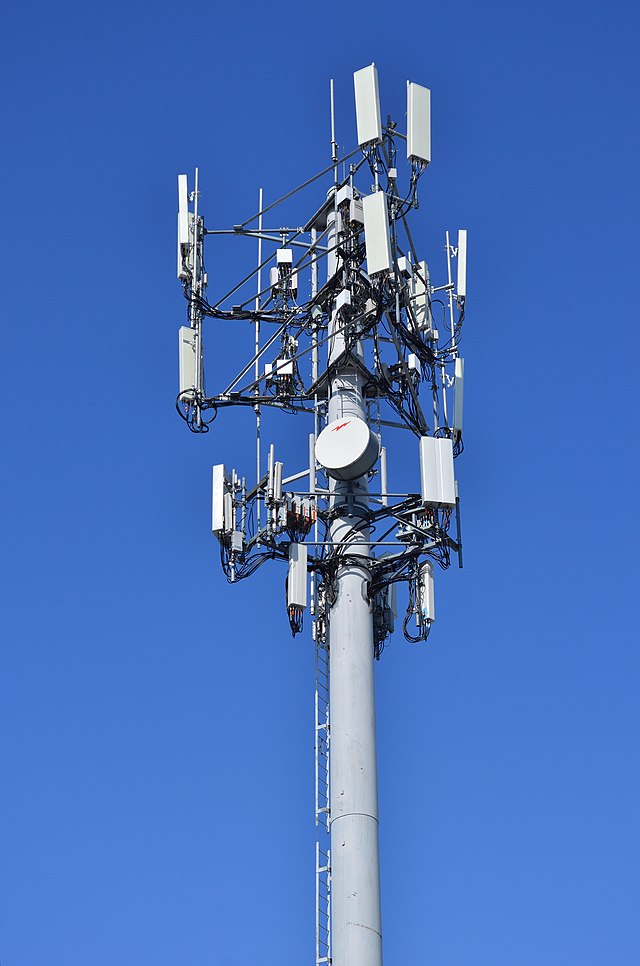
Dynamic cell tower resource allocation efficiently distributes bandwidth and hardware resources amongst users. Cell towers are made of antenna arrays, which allow to control and localize the effective beam of radiation in any particular direction. Such directional antennas serve the cellular communication requirement of users through various spectrum band allocation systems. We focused on the 850, 1800 and 2300 MHz bands for predicting optimal tilt of antennas.
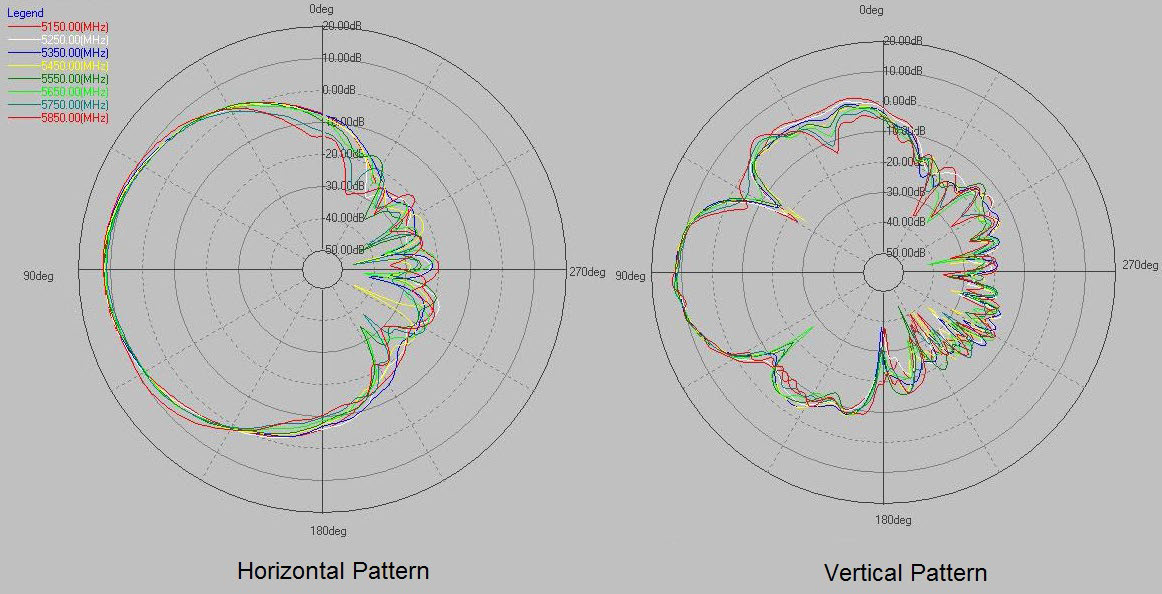
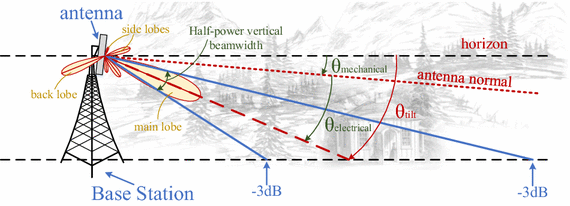
An antenna is vertically tilted and azimuth adjusted towards the maximum peak of mean user demand. The vertical tilt of the antenna is composed of a mechanical tilt, and an electrical tilt adjustment mechanism. A simple trigonometric equation gives us the ideal solution, which rarely works in the real scenarios. With multipath propagation, channel distortion and varying geographical conditions, the exact relation of tilt angle is hard to formulate.
Our work was focused on finding optimal prediction models for discrete tile angles in degrees. We used domain knowledge and hypothesis testing to ascertain the validity of various features towards predicting tilt. Parameters like extracted geographical coordinates, azimuth, spectrum band, demand, mean number of calls per day, peak hour demand, stationary and moving demand ratio etc. were used for training a neural network.
Our successful implementation gave over 99% accuracy in tilt prediction, along with a negligible 0.07 degrees MAE.